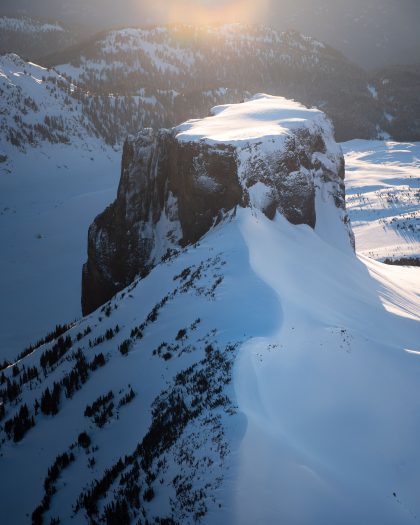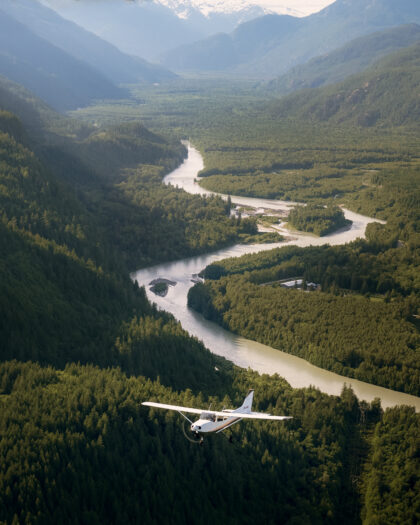
Mountain flying weather plays an important role in planning every scenic flight through Squamish and the Coast Mountains. With changing elevations, deep valleys and rugged terrain, conditions can vary considerably across the region. Wind, visibility and cloud cover all influence how pilots plan their routes and assess flying conditions.
Before each flight, pilots review aviation forecasts, current weather reports and local conditions to make informed decisions. This careful preparation helps ensure every scenic flight is planned with safety and passenger comfort in mind.
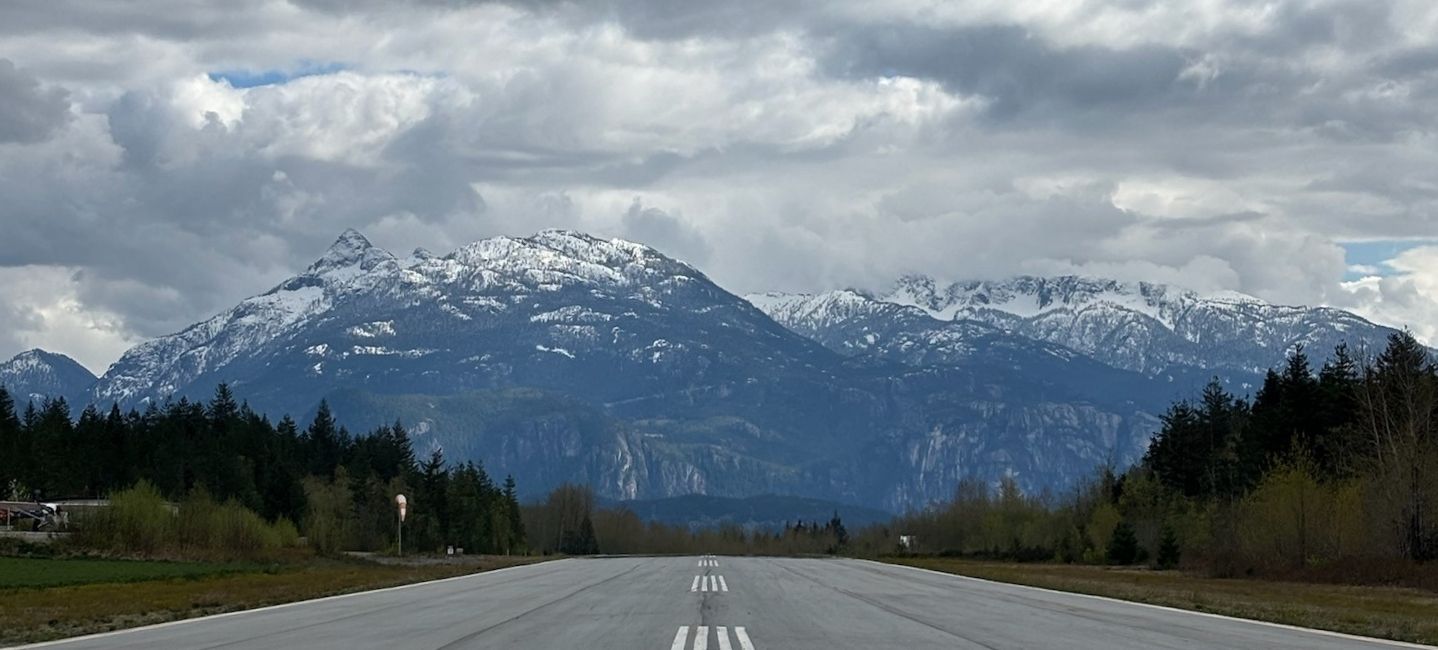
The Coast Mountains create a unique environment where weather conditions can change considerably across short distances. Squamish sits between Howe Sound and rugged alpine terrain, where coastal moisture, elevation and temperature all influence local weather patterns.
For example, conditions at Squamish Airport may be clear while clouds surround the nearby mountain peaks. Higher elevations can also experience colder temperatures and reduced visibility, even when the valley below has favourable conditions.
These differences make careful flight planning essential. Pilots review weather information for the entire route, paying attention to conditions in the valleys and mountain areas they plan to explore. Their knowledge of the region helps them interpret forecasts and choose suitable routes for each flight.
Before departure, pilots review several sources of aviation weather information. Each provides a different perspective on current conditions and expected changes.
Aviation weather reports describe conditions at specific reporting locations. These reports typically include wind, visibility, cloud cover and other relevant observations. Forecasts provide additional information about how conditions may develop throughout the day.
Pilots may also consult satellite imagery, weather cameras and regional aviation forecasts. Together, these resources help identify cloud patterns, approaching weather systems and potential changes along a planned route.
Local knowledge adds another layer of understanding. Familiarity with the Coast Mountains helps pilots recognize areas where terrain may influence wind or visibility. However, experience must always be supported by current weather information and established aviation procedures.
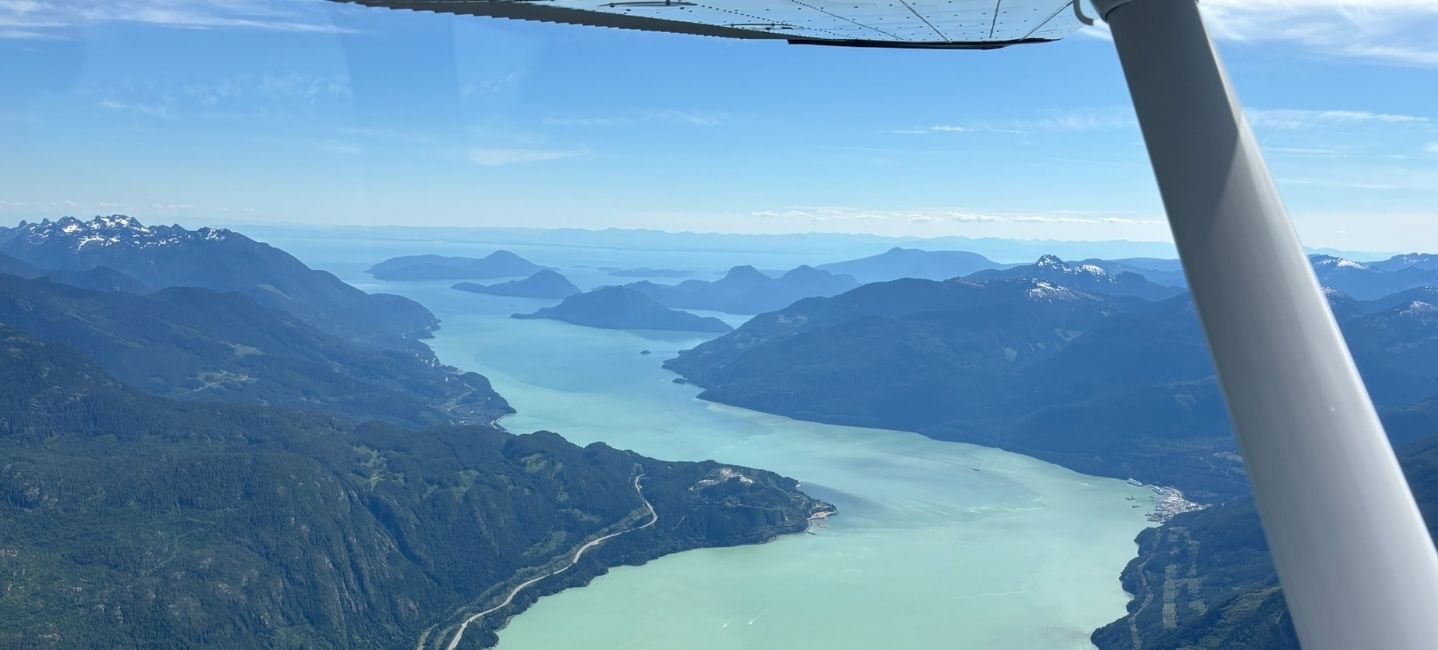
Wind plays an important role in how an aircraft moves through the mountains. Depending on its direction and strength, airflow can create smooth flying conditions or areas of turbulence along a route.
As wind moves across mountain slopes and ridgelines, it can produce rising and descending air currents. Pilots consider these patterns when planning their routes and selecting appropriate flying altitudes.
For passengers, changing airflow may occasionally feel like bumps during the flight. This is a normal part of aviation, and our pilots are trained to recognize and respond to changing conditions.
By assessing wind forecasts and monitoring conditions throughout the flight, pilots can make informed decisions that prioritize safety and passenger comfort.
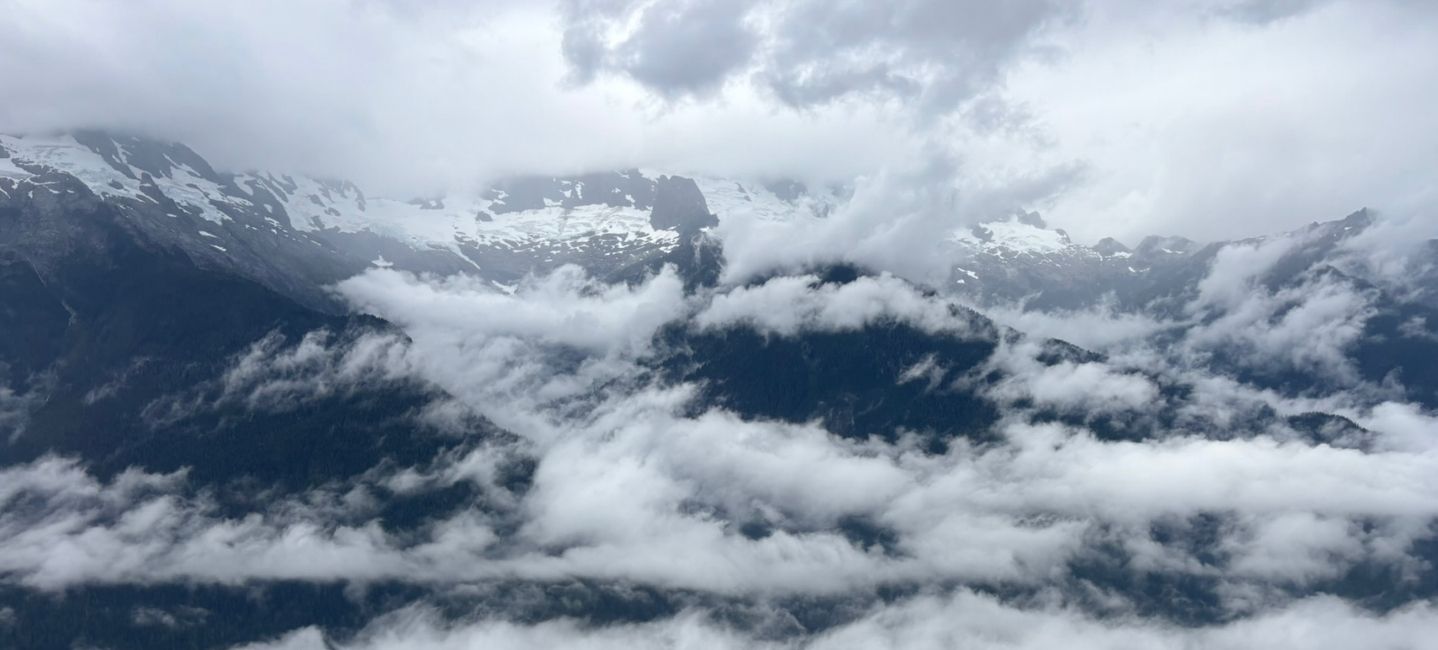
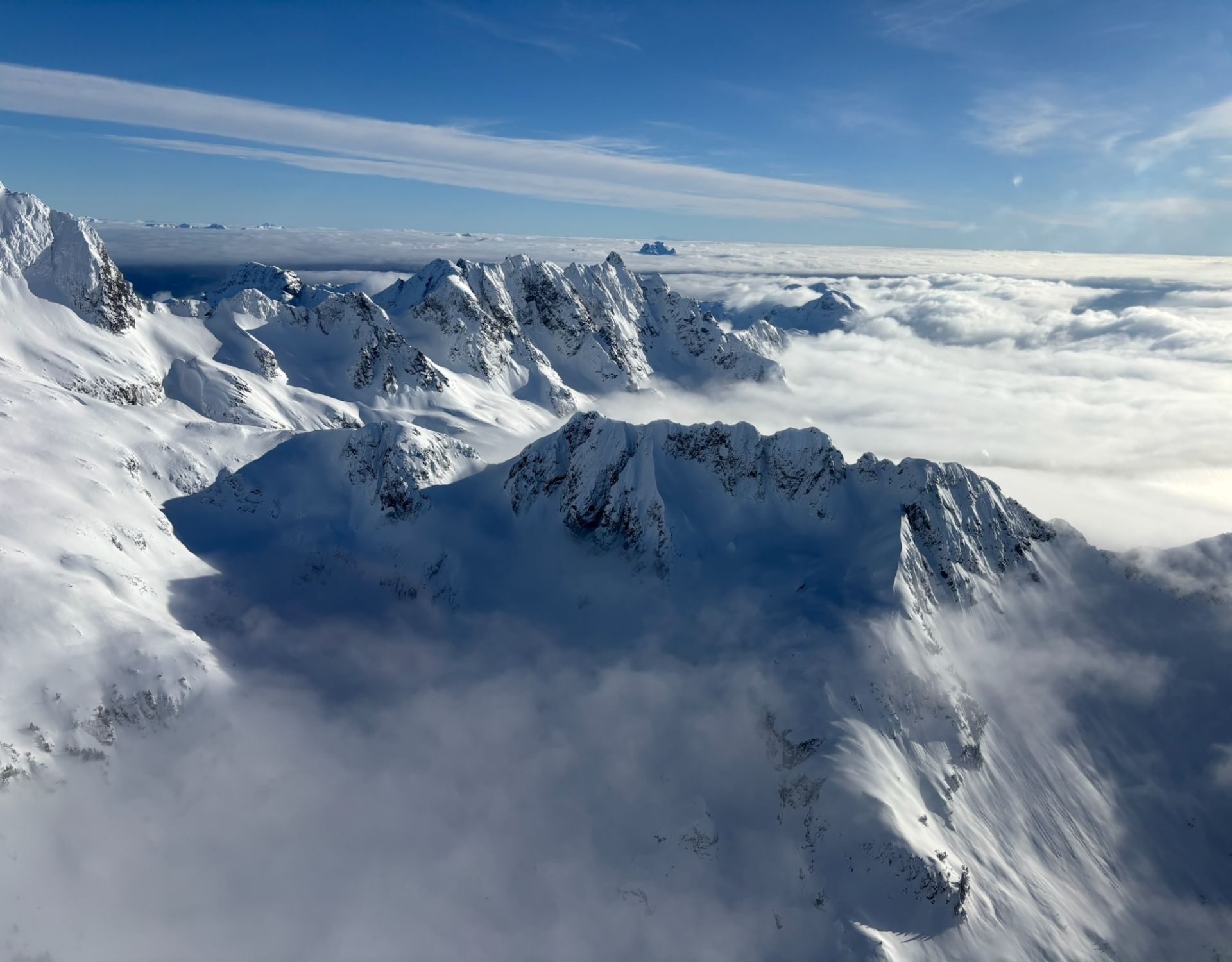
Cloud cover and visibility are important considerations when planning a scenic flight. In mountainous areas, clouds may develop around peaks or settle into valleys. As a result, terrain that is clearly visible from one location may be obscured elsewhere.
Visibility also changes with elevation and local weather conditions. A clear view across Howe Sound does not necessarily mean that higher mountain areas have similar conditions.
Pilots assess cloud height, visibility and terrain clearance before choosing a suitable route. They must also consider whether conditions are likely to change during the flight.
For passengers, visibility influences the sightseeing experience. Clear views provide opportunities to appreciate the region’s glaciers, mountain ranges and coastal scenery. However, suitable flying conditions remain the primary consideration when planning a departure.
Yes, scenic flights can operate on cloudy days, depending on visibility and weather conditions. Pilots assess cloud cover, surrounding terrain and the planned route to determine whether it is safe to fly.
Clouds in one area may not affect another, so an alternative route may sometimes be possible. If conditions aren’t suitable, the flight may need to be delayed or rescheduled. This is where local knowledge and experience become especially valuable, helping pilots understand how conditions vary throughout the Coast Mountains.
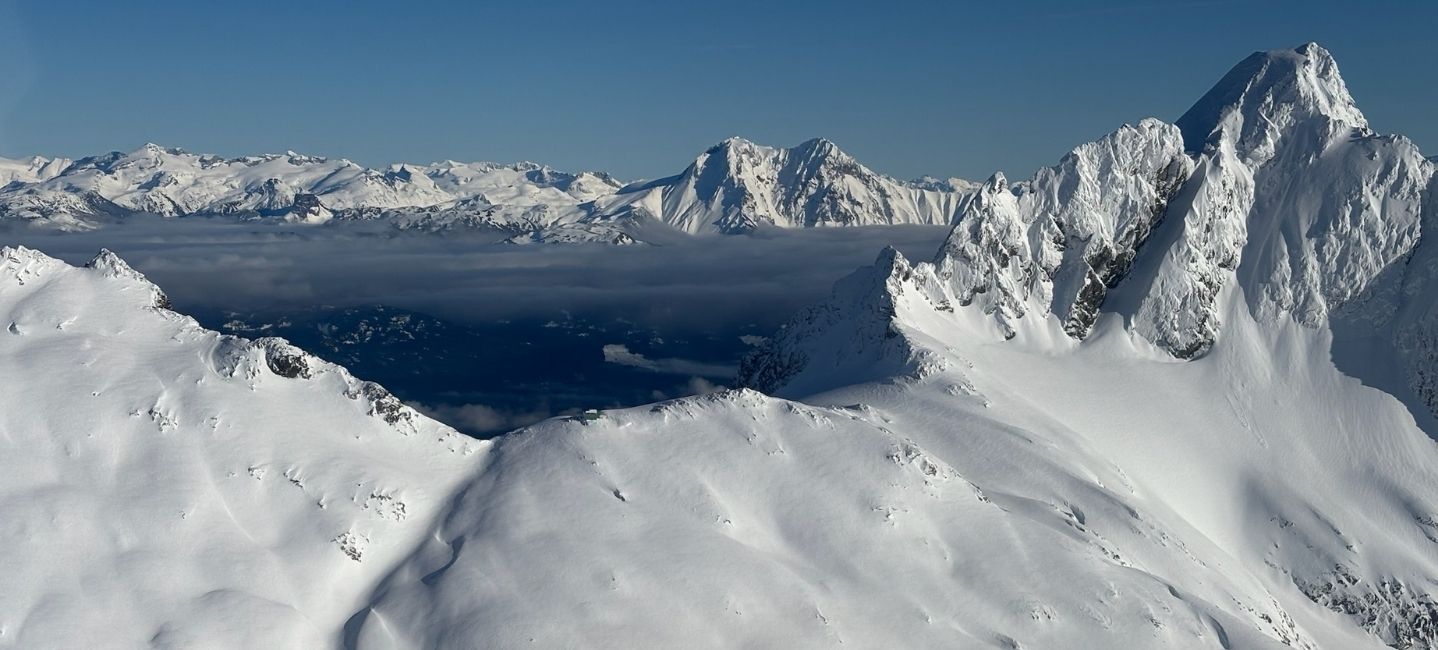
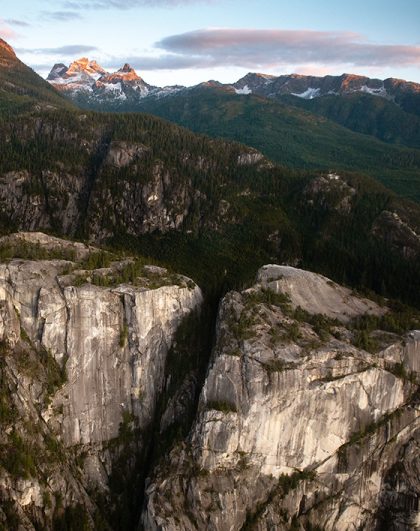
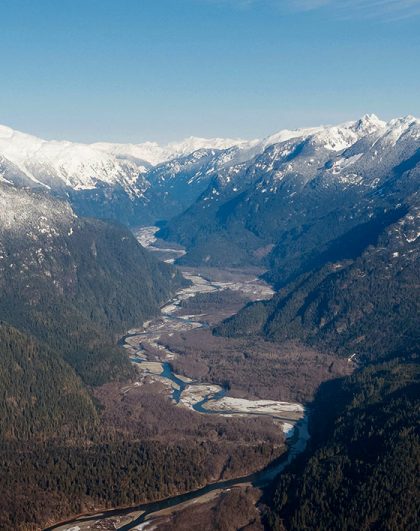
The Coast Mountains contain a complex network of valleys, ridgelines and alpine terrain. These features influence local weather patterns and create conditions that can vary throughout the region.
Around Squamish, coastal moisture from Howe Sound interacts with the surrounding mountains. Meanwhile, elevation changes and the orientation of individual valleys can influence wind and cloud development.
Pilots familiar with the region develop an understanding of these local characteristics. This knowledge helps them interpret weather information and recognize how conditions may affect particular routes.
However, local experience is only one part of flight planning. Current forecasts, aviation regulations and established safety procedures remain essential to every decision.
Mountain weather can change throughout the day, which is why our pilots carefully monitor conditions before every flight. Your safety and comfort are always our priority.
If the weather isn’t suitable for flying, our team will work with you to reschedule your experience for another day. We want you to enjoy the best possible views of the Coast Mountains, and sometimes that means waiting for better conditions.
A little flexibility goes a long way, and we’ll do our best to make sure your experience is worth the wait.

There’s a lot that goes into planning a scenic flight, and our pilots take care of those details so you can focus on enjoying the experience. From checking the weather to choosing the best route, every decision is made with your safety and comfort in mind.
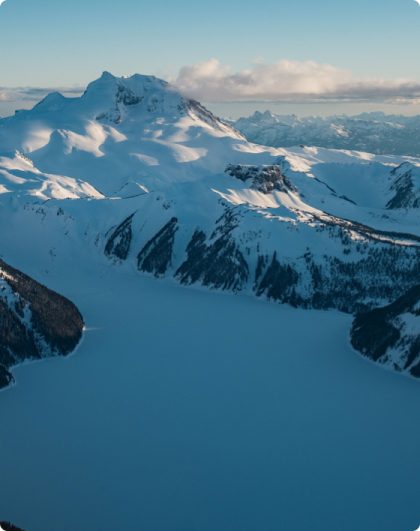
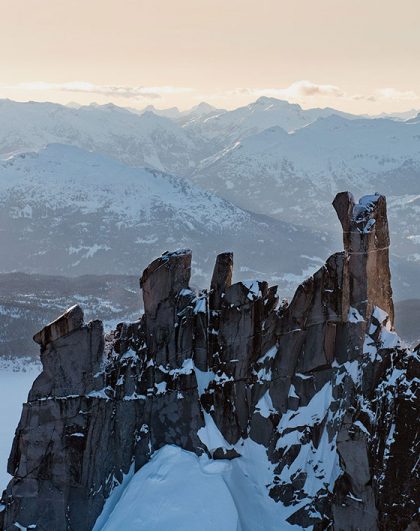
Once you’re in the air, it’s all about the views. Depending on the conditions, you could be looking out over Howe Sound, the rugged peaks of the Tantalus Range, or the remote alpine lakes and glaciers tucked away in the Coast Mountains.
Whether you’re joining us for the Squamish Explorer or heading farther into the mountains on our Coast Mountain Epic, we’d love to share this incredible part of BC with you.
Ready to see it for yourself? Explore our scenic flight tours and let’s get you in the air!
Head out on this mid-week special! Perfect for groups of up to three, this 30-minute private scenic flight showcases the spectacular landscapes of the Sea to Sky Corridor.
Available Monday to Friday.