A Cessna scenic flight feels very different from the kind of flying most people know. Instead of a large cabin with rows of passengers, the experience is small and personal, with the pilot nearby and the mountains directly outside the window. The size of the aircraft makes it easier to stay connected to the places you are flying over, whether that means watching Howe Sound stretch toward the coast or following a mountain valley deeper into the backcountry.
For anyone who has not flown in a small aircraft before, knowing what to expect can make choosing a flight easier. From the cabin and high-wing design to two-way pilot communication, several features make a Cessna particularly well suited to exploring Squamish and the surrounding Coast Mountains.

Sea to Sky Air operates from Squamish Airport, where guests are asked to arrive 10 minutes before their scheduled departure. The smaller setting makes preparing for a scenic flight straightforward, without the long check-in process associated with commercial air travel.
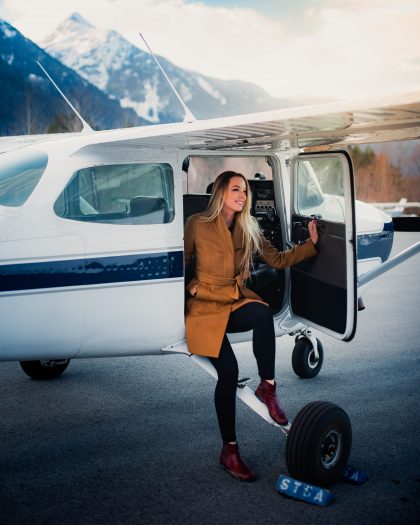
Once you meet your pilot and approach the aircraft, that smaller scale becomes an important part of the experience. Sea to Sky Air’s sightseeing aircraft accommodate up to three guests alongside the pilot. The cabin keeps everyone close to the windows, while the size of the group allows the pilot to remain part of the experience throughout the flight.
For passengers accustomed to commercial aircraft, the cabin will naturally feel different. You can see more of the aircraft, hear the engine and watch the pilot at the controls. Rather than feeling removed from the journey, passengers remain connected to the aircraft and the terrain below from takeoff to landing.
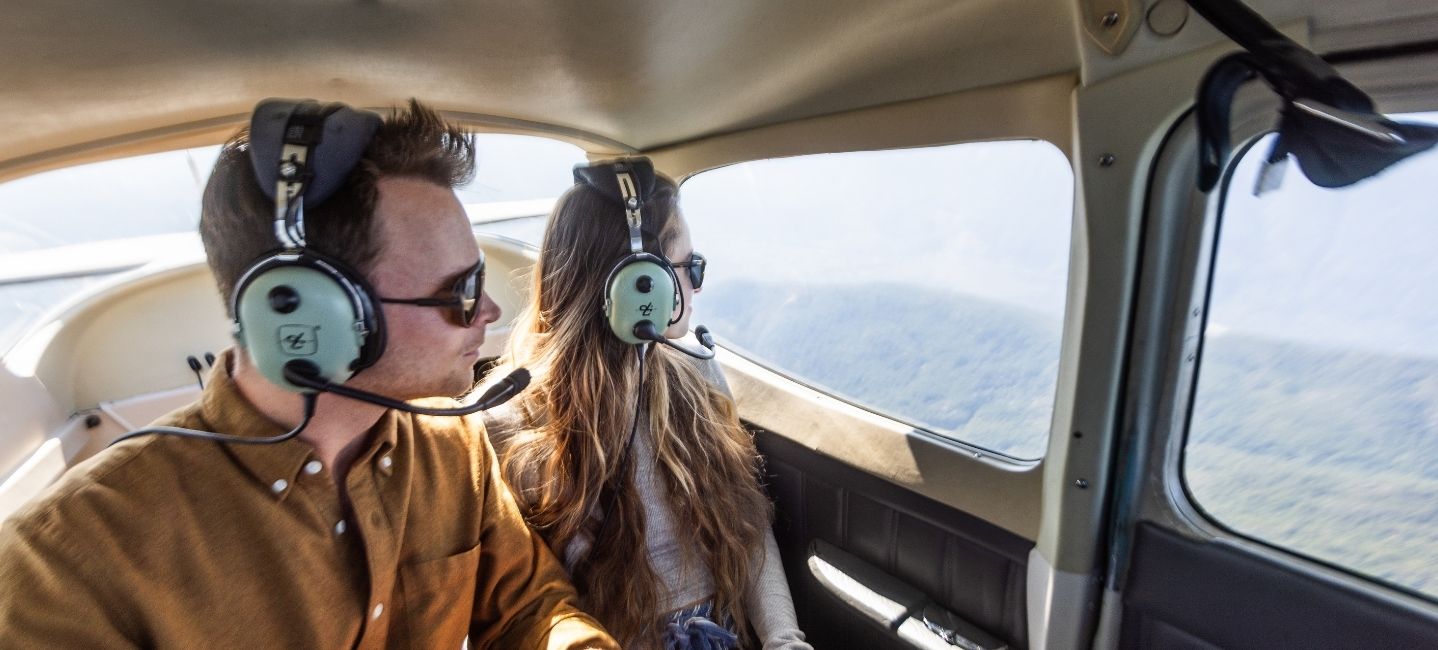
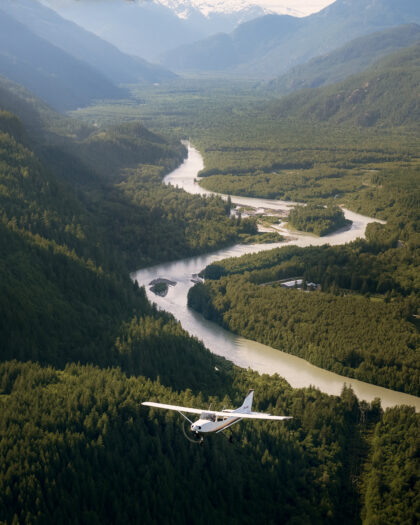
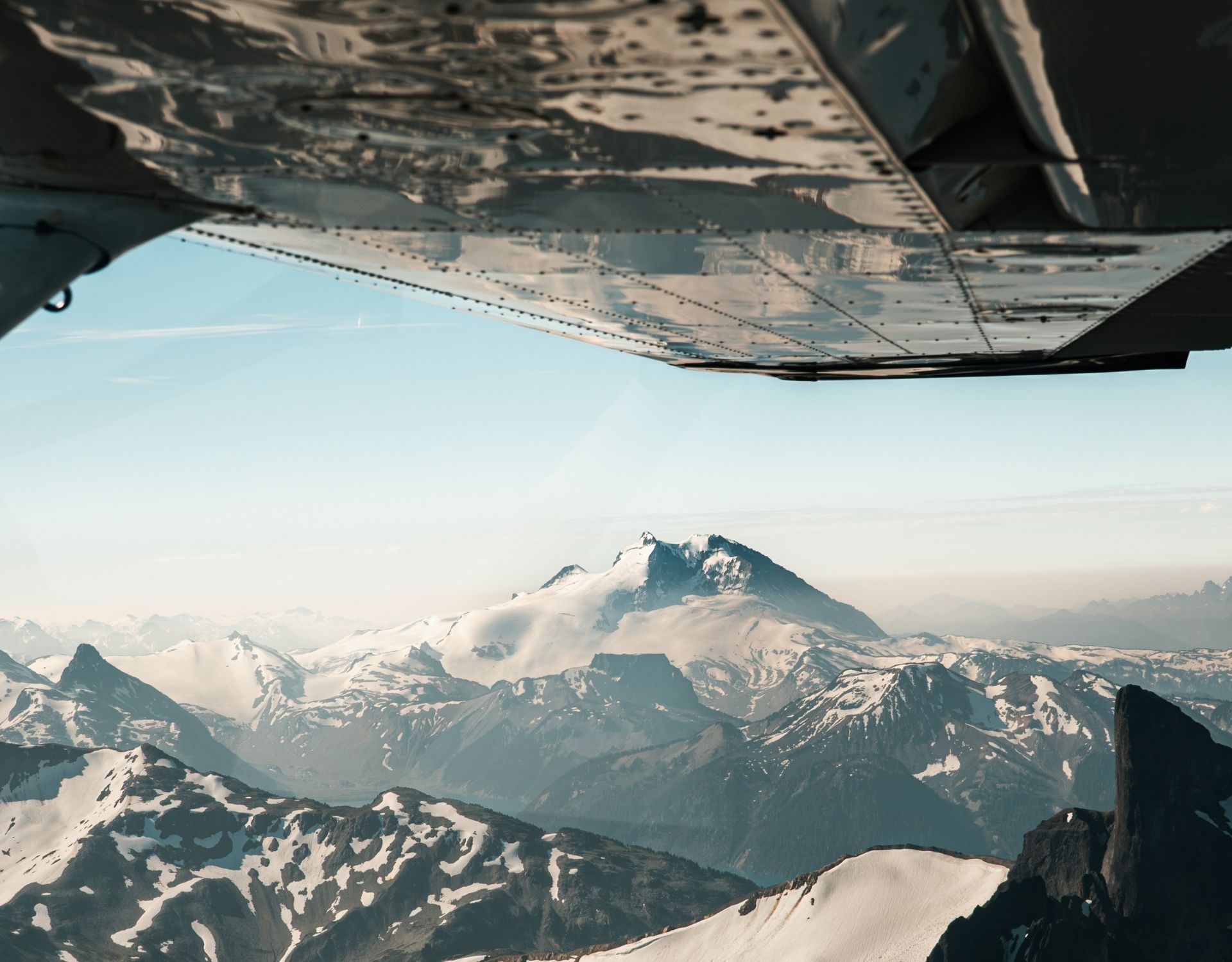
One of the most useful features of a Cessna for sightseeing is its high-wing design. With the wings positioned above the cabin, passengers have a clearer view of the terrain below. Around Squamish, where mountain valleys, waterways and alpine features can appear directly beneath the aircraft, that visibility makes a noticeable difference.
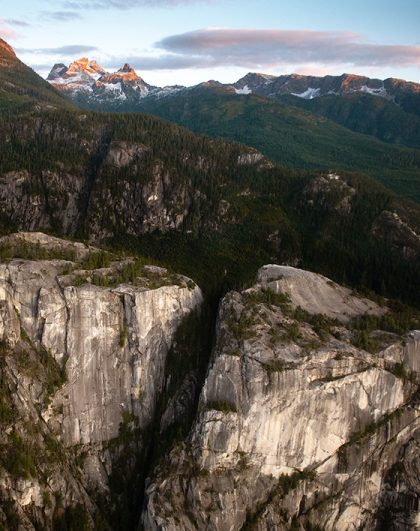
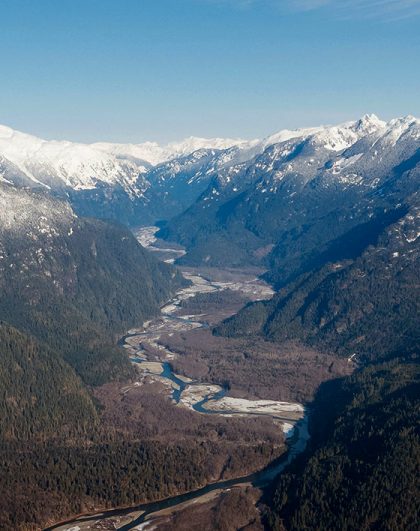
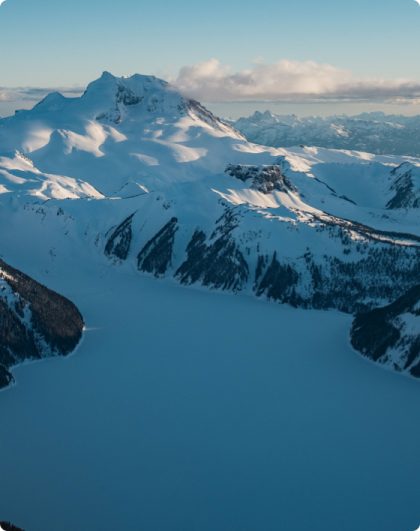
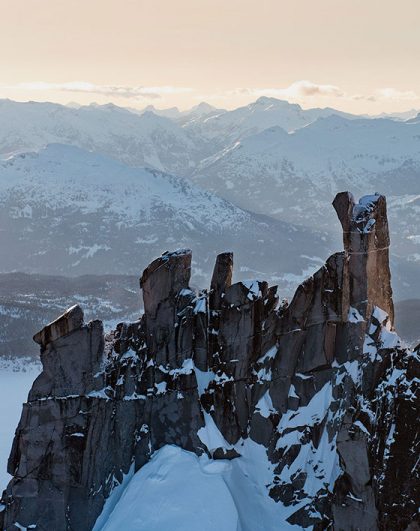
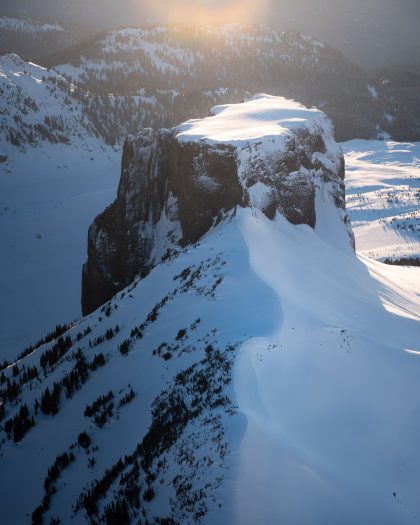
Altitude also provides context that can be difficult to gain from the ground. Howe Sound becomes part of a much larger coastal system, while the Squamish Valley leads into layers of mountain terrain. Familiar peaks become part of larger ranges, and alpine lakes and glaciers appear beyond ridgelines that block them from view at ground level.
Different routes reveal different parts of the region. Sea to Skypilot explores the area around Skypilot Mountain, Copilot, Goat Ridge and Howe Sound. Squamish Explorer travels farther toward the Tantalus Range, where rugged peaks, glaciers and Lake Lovely Water reveal more of the backcountry west of Squamish.
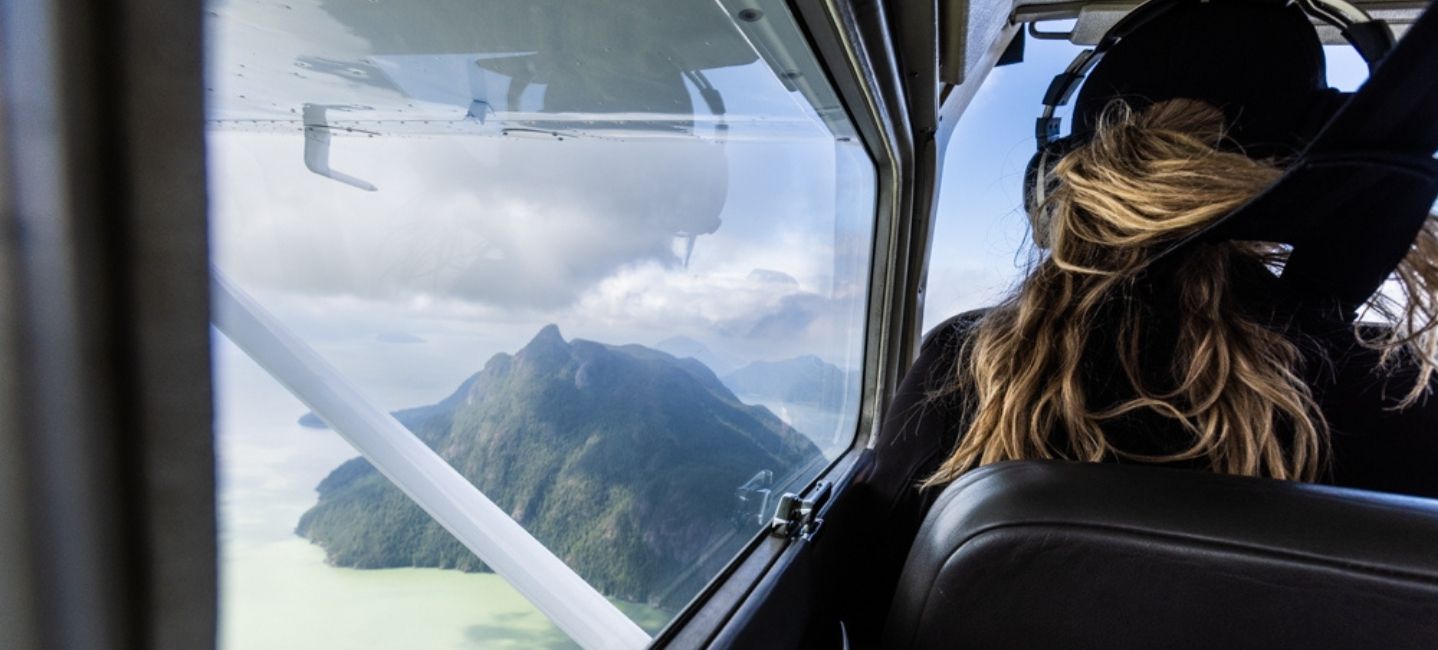
A scenic flight also offers a different relationship with the pilot than passengers experience on a commercial aircraft. Every seat on Sea to Sky Air’s scenic flights has a two-way headset and microphone, allowing passengers to hear the pilot and communicate throughout the flight.
That connection adds useful context to the places below. Pilots can identify mountains, waterways and other features along the route while sharing information about the geography, geology and history of the Sea-to-Sky. Passengers can ask questions when something catches their attention or simply listen while taking in the view.
The headset also makes communication easy throughout the flight. This can be particularly helpful for first-time passengers who want to know more about what is happening during different stages of the experience.
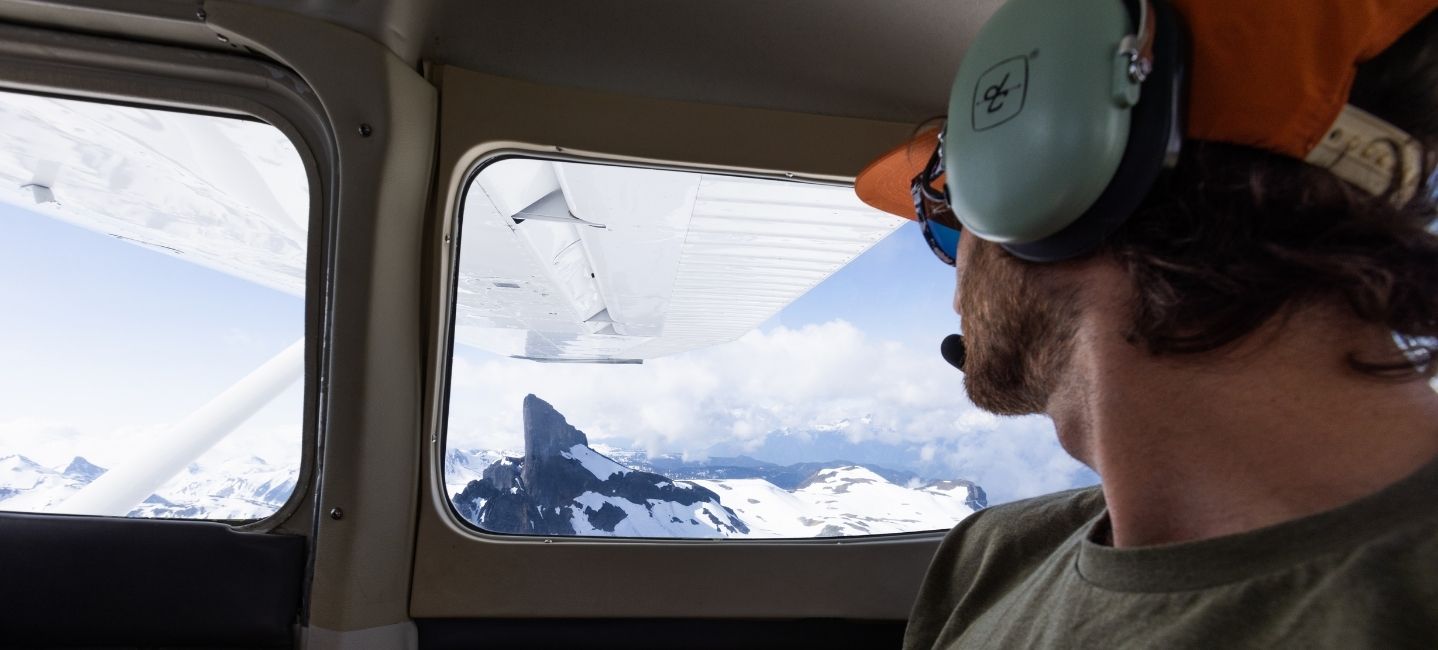
Flying in a Cessna provides a stronger sense of being in the air than travelling in a large passenger aircraft. The sounds and sensations of flying are more noticeable, and passengers can watch the ground change beneath them as the aircraft climbs away from Squamish.
Conditions can vary because mountain flying is influenced by factors such as weather, visibility and wind. The pilot remains in communication throughout the experience, while the small cabin keeps passengers closely connected to the flight itself.
For those new to small aircraft, a shorter scenic flight can provide an accessible introduction. Sea to Skypilot spends approximately 25 minutes in the air and explores more than 80 square kilometres around Squamish, Skypilot Mountain and Howe Sound. Longer options travel farther into the Coast Mountains and allow more time to explore the region.
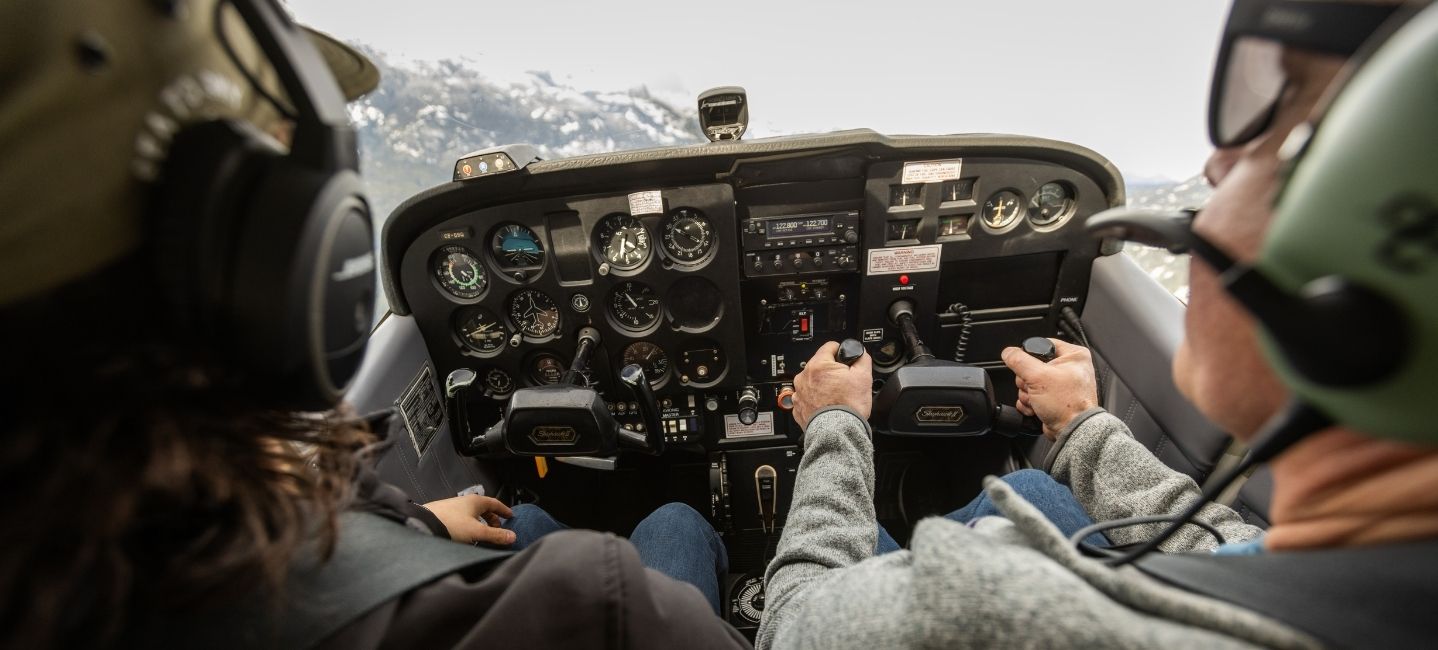
For some guests, seeing the Coast Mountains from a Cessna leads to a different question: what would it be like to learn more about actually flying one?
Sea to Sky Air’s Introduction to Flight Experience takes the small-aircraft experience beyond sightseeing. It is designed for people who are curious about aviation and want a closer introduction to what happens in the cockpit. Rather than focusing solely on the view, the experience provides an opportunity to learn more about the aircraft, flight controls and the fundamentals involved in flying.
The experience begins with an introduction on the ground before moving into the aircraft with an instructor. It offers a more hands-on perspective for anyone considering flight training, exploring an interest in aviation or simply wanting to understand more about how a Cessna operates.
It also shows how versatile the aircraft can be. The same characteristics that make a Cessna well suited to sightseeing, including its visibility and compact cabin, create an engaging environment for someone being introduced to flying for the first time.
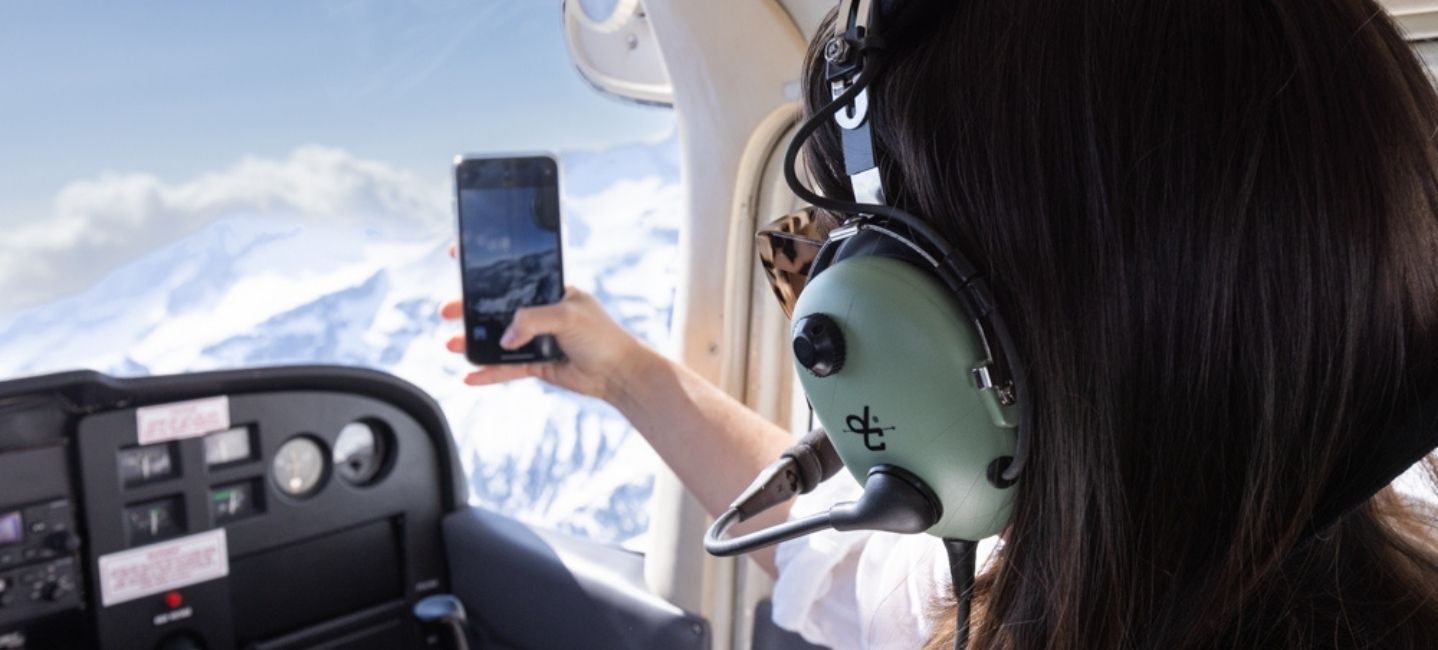
The high-wing configuration and proximity to the windows also make scenic flights well suited to photography. Depending on the route, passengers may have opportunities to photograph glaciers, rivers, alpine lakes, rugged peaks and Howe Sound from perspectives that are difficult or impossible to reach from the ground.
Professional equipment is not required. A phone or compact camera is enough for most guests, although photographers looking for more time and flexibility may prefer a longer flight. Coast Mountain Epic provides 75 minutes in the air and includes a pre-flight discussion with the pilot, allowing the route to be shaped around areas or subjects of particular interest.
Photography can be a significant part of the experience, but it does not need to dominate it. Taking time to look beyond the camera provides a better sense of the scale and connection between the places below.

The right flight depends on how much time you want to spend in the air and which parts of the region you are most interested in seeing. Sea to Skypilot offers an approachable introduction, while Squamish Explorer travels farther into the Tantalus Range and surrounding backcountry.
For guests interested in a longer experience, Coast Mountain Epic provides 75 minutes in the air and more than 1,500 square kilometres to explore. The route can also be discussed with the pilot before departure, creating more flexibility around the areas guests would like to see.
Those who are more interested in the aircraft itself can take the experience in another direction with the Introduction to Flight Experience. Together, these options make it possible to choose between sightseeing, deeper exploration and a more hands-on introduction to aviation.
A Cessna scenic flight offers a close and engaging way to experience Squamish and the surrounding Coast Mountains. The high-wing design opens up the view below, while the small cabin and two-way headsets keep passengers connected to the pilot and the places they are flying over.
Whether your interest is in seeing the backcountry, photographing the mountains or learning more about flying through an Introduction to Flight Experience, starting from Squamish offers a very different perspective on the Sea-to-Sky.
Explore Sea to Sky Air’s scenic flights and find the route that suits what you would like to see, learn or experience.
Head out on this mid-week special! Perfect for groups of up to three, this 30-minute private scenic flight showcases the spectacular landscapes of the Sea to Sky Corridor.
Available Monday to Friday.