When people think of small aircraft, there’s a good chance they’re picturing the Cessna 172 Skyhawk. For nearly 70 years, this remarkable airplane has introduced aspiring pilots to aviation, carried families on unforgettable adventures, and become one of the most trusted aircraft ever built.
Its success isn’t defined by speed or size. Instead, the Skyhawk has earned its reputation through dependable engineering, thoughtful design, and an ability to make flying approachable for pilots of every experience level.
Today, more than 44,000 Cessna 172 Skyhawks have been built, making it the most-produced aircraft in aviation history. It’s a title the aircraft continues to hold while remaining one of the most familiar sights at airports around the world.
The story of the Cessna 172 Skyhawk began on June 12, 1955, when it completed its maiden flight. Developed from the earlier Cessna 170, the new aircraft introduced one major change that would shape its future: a tricycle landing gear.
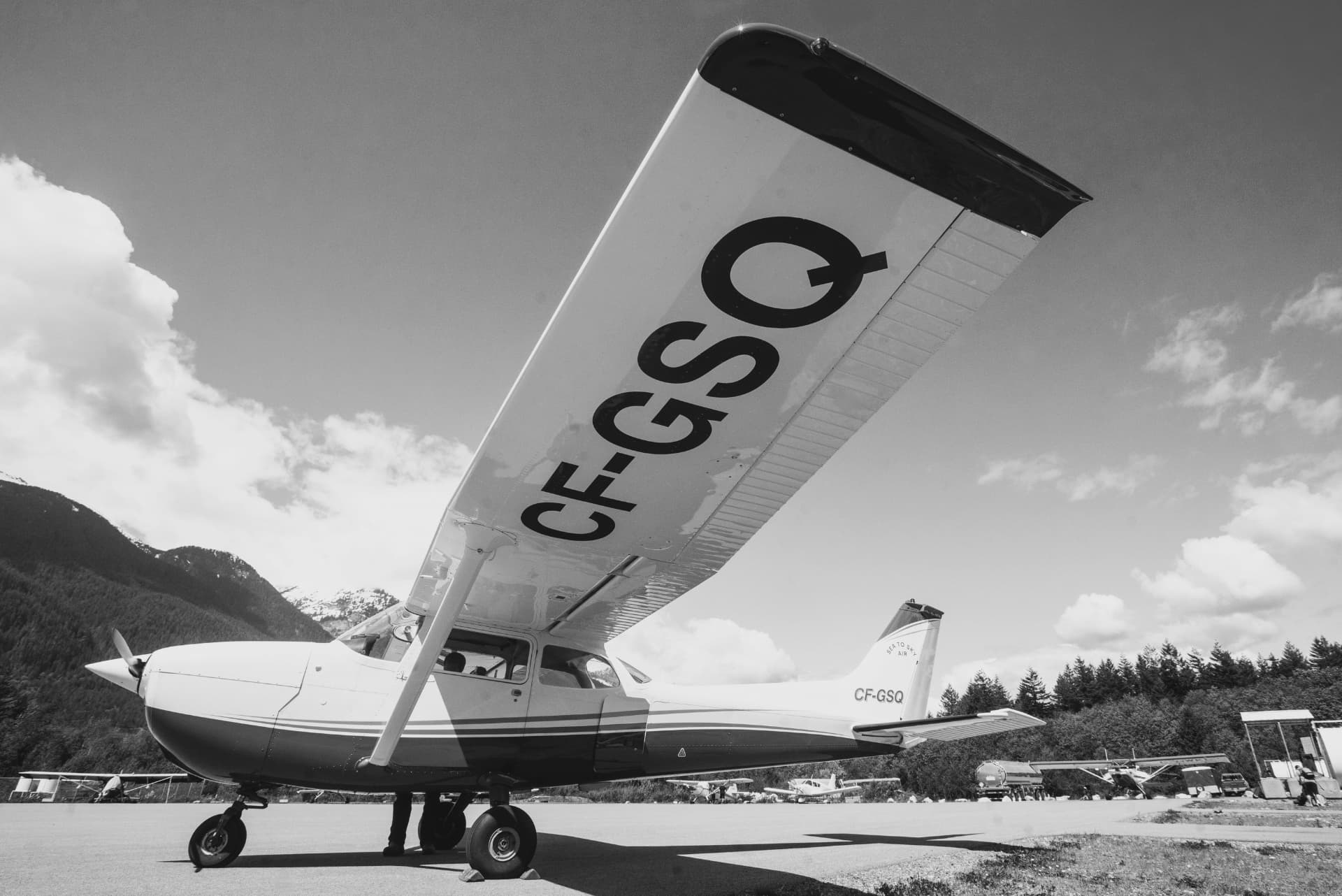
Unlike the tailwheel configuration used on many aircraft of the time, the tricycle design placed a steerable nose wheel at the front of the airplane. The result was an aircraft that was easier to handle during takeoff and landing, particularly for new pilots.
Combined with its dependable Continental O-300 engine, forgiving flight characteristics, and high-wing design, the Skyhawk quickly gained a reputation as an aircraft that inspired confidence.
That confidence translated into popularity. The first production model entered service as the 1956 model year, and demand grew almost immediately as pilots embraced its straightforward design and versatility.
Some aircraft are designed for speed.
Others are built for carrying heavy loads or travelling long distances.
The Cessna 172 Skyhawk became famous for something much simpler: it was an aircraft that people genuinely enjoyed flying.
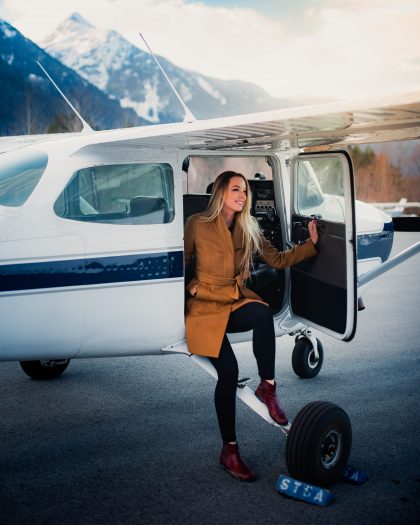
Its high-wing design gave pilots excellent visibility while also providing passengers with unobstructed views of the landscape below. That combination made the aircraft equally comfortable navigating busy airports, flying over remote backcountry, or introducing someone to their very first scenic flight.
The cabin was practical without feeling cramped, maintenance was straightforward, and its predictable handling earned the trust of flight schools around the world.
Those qualities helped transform the Skyhawk into one of the most important training aircraft ever built. For generations of pilots, a Cessna 172 wasn’t simply another airplane. It was the aircraft where they completed their first solo flight, earned their licence, or introduced friends and family to aviation.
Its versatility also made it popular well beyond flight schools. Private owners appreciated its reliability for recreational flying, while photographers, survey crews, and scenic flight operators discovered an aircraft capable of adapting to many different missions.
Even today, decades after its introduction, those same qualities continue to make the Skyhawk one of the world’s most trusted aircraft.
One reason the Cessna 172 Skyhawk has remained successful for so many decades is its willingness to evolve without losing the qualities that made it popular in the first place.
Throughout the 1960s, Cessna introduced refinements that improved both performance and comfort. The addition of the Omni-Vision rear window gave pilots and passengers better visibility while creating a more modern appearance. Later models introduced electrically operated flaps, replacing the manual system found on earlier aircraft and making cockpit operations even more intuitive.
As aviation technology continued to advance, so did the Skyhawk. Modern models added improved soundproofing, fuel-injected engines, and sophisticated Garmin avionics, allowing pilots to enjoy the benefits of a digital cockpit while preserving the aircraft’s familiar flying characteristics.
Rather than reinventing the airplane every few years, Cessna focused on thoughtful improvements that kept the Skyhawk current while maintaining the dependable handling pilots had come to expect.
That careful evolution is one of the reasons the aircraft has remained relevant for nearly seven decades, continuing to welcome new generations of pilots into the world of aviation.
The Cessna 172 Skyhawk has earned countless milestones throughout its history, but one achievement continues to capture the imagination of pilots and aviation enthusiasts around the world.
In 1958, pilots Robert Timm and John Cook set the world record for the longest refuelled flight in history. Flying a modified Cessna 172, they remained airborne for an astonishing 64 days, 22 hours, 19 minutes, and 5 seconds.
To accomplish this feat, the aircraft was refuelled in flight by a specially equipped truck driving along a straight stretch of road below. Supplies were passed up, maintenance was carried out while airborne whenever possible, and the pilots alternated periods of rest throughout the journey.
While the flight was an extraordinary test of endurance, it also demonstrated something equally important: the remarkable reliability of the Skyhawk. Few aircraft could have accomplished such a feat, and the record remains unmatched by any other airplane in its class.
For many people, this incredible achievement cemented the Skyhawk’s reputation as an aircraft built to go the distance.
Aircraft come and go, but very few remain in continuous production for decades.
The Cessna 172 Skyhawk is one of those rare exceptions.
Since its introduction, more than 44,000 Skyhawks have been built, making it the most-produced aircraft in aviation history. That remarkable milestone reflects decades of trust from pilots, flight schools, private owners, and commercial operators around the world.
Its success isn’t the result of a single breakthrough feature. Instead, it’s the combination of dependable engineering, forgiving flight characteristics, and thoughtful improvements over time that have allowed the Skyhawk to remain relevant for nearly 70 years.
Whether sitting on the ramp at a small flying club, introducing a student to their first lesson, or carrying guests on a scenic adventure, the Skyhawk continues to prove why it has earned its legendary status.
A great scenic flight depends on more than spectacular scenery. The aircraft itself plays an important role in shaping the experience.
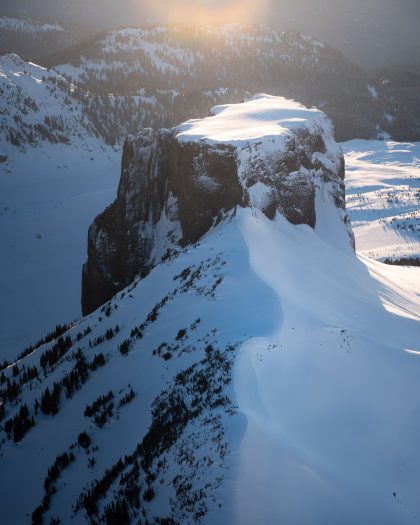
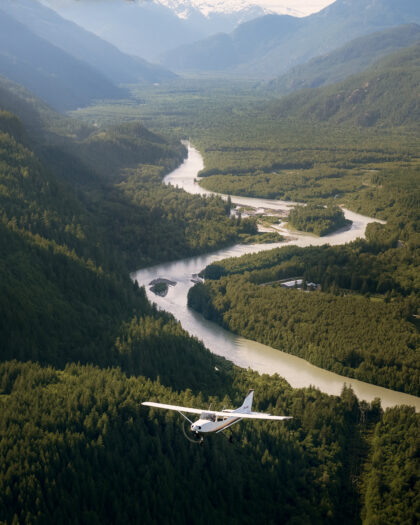
The Cessna 172 Skyhawk has become a favourite for scenic operators because its high-wing design provides exceptional visibility, giving every passenger an uninterrupted view of the landscape below. From mountain peaks and glaciers to winding rivers and coastal fjords, the aircraft allows the scenery to take centre stage.
Its stable handling also creates a smooth and comfortable experience, making it an excellent choice for first-time flyers as well as seasoned travellers looking to experience a destination from a different perspective.
These qualities have made the Skyhawk just as comfortable introducing someone to aviation as it is showcasing the spectacular beauty of British Columbia’s Sea to Sky corridor.
Nearly seven decades after its first flight, the Cessna 172 Skyhawk remains one of aviation’s greatest success stories.
What began as an evolution of the Cessna 170 has become the aircraft that introduced countless pilots to flying and helped shape general aviation around the world. Through thoughtful innovation, dependable engineering, and a commitment to practical design, the Skyhawk has earned a reputation that few aircraft will ever match.
Today, it continues to inspire new generations of pilots while helping passengers experience unforgettable moments from above. Whether it’s someone’s first flight or their hundredth, the Skyhawk has a remarkable way of making aviation feel both exciting and approachable.
Reading about the Cessna 172 Skyhawk is one thing. Sitting in the pilot’s seat is something you’ll never forget.
At Sea to Sky Air, our Introduction to Flight Experience gives you the opportunity to experience this legendary aircraft from a whole new perspective. Guided by one of our experienced flight instructors, you’ll learn the basics of flight while taking in the spectacular scenery of the Sea to Sky corridor.
Whether you’ve always dreamed of becoming a pilot or you’re simply looking for a one-of-a-kind adventure, it’s an unforgettable way to discover why the Cessna 172 Skyhawk has inspired generations of aviators.
Ready to take the controls? Learn more about our Introduction to Flight Experience and start your own aviation story today.
Book 3 seats and get 50% off the third. Bring a friend or turn your flight into a private adventure.
Use Code 'THIRD50'
Limited-time offer. Available on all tours!