Sea-to-Sky spring flights offer a unique perspective on a landscape in transition. While seasonal changes happen gradually on the ground, they become immediately visible from the air, where elevation differences and shifting conditions reveal themselves all at once.
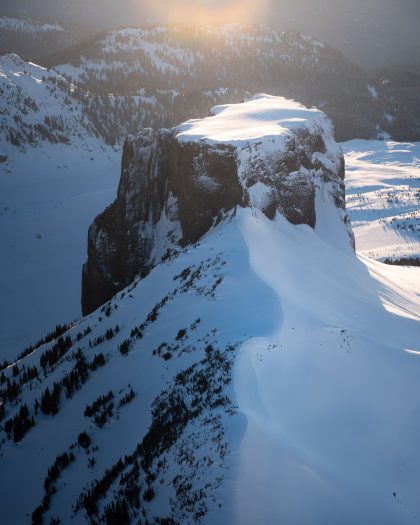
Spring in this region is not defined by a single look. Instead, it is a combination of lingering winter and early signs of warmer months. Snow remains in the alpine, while lower elevations begin to thaw, creating a layered landscape that is constantly evolving.
For anyone deciding when to fly, this seasonal contrast is what makes spring stand out.

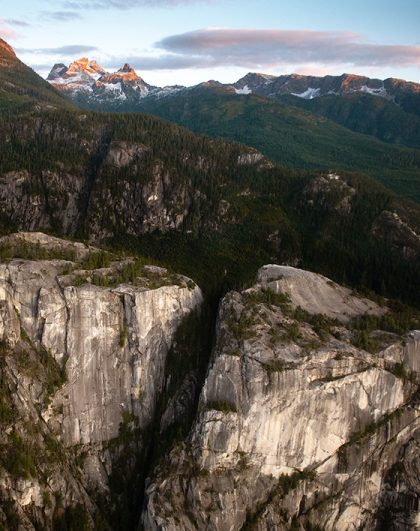
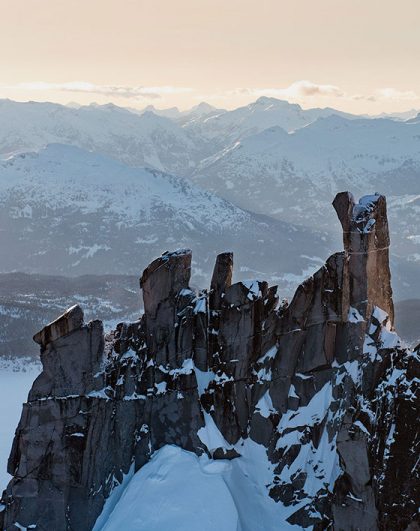
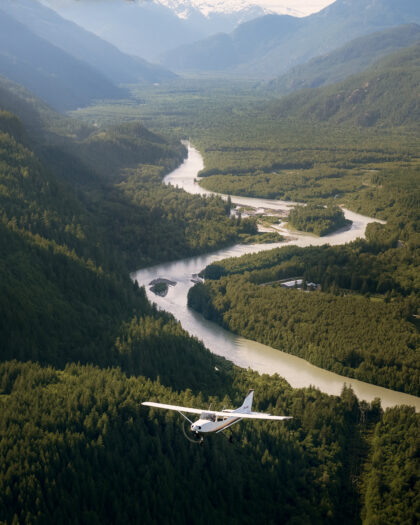
One of the most noticeable features of spring is the difference between elevations. Higher altitudes remain in winter conditions, while valleys and forests begin to thaw. From above, this contrast becomes much more defined, with snow-covered peaks sitting above exposed terrain in clearly visible layers.
At the same time, improving weather conditions play an important role. As winter storms become less frequent, visibility often increases across the region. This allows you to see further into the distance while also picking up on finer details.
During Sea-to-Sky spring flights, these two factors work together. You are not only seeing multiple seasons at once, but you are also seeing them with greater clarity. Mountain ranges extend further, ridgelines become more distinct, and the overall scale of the landscape becomes easier to understand.
As a result, the experience feels both broader and more detailed, offering a perspective that is difficult to achieve at any other time of year.
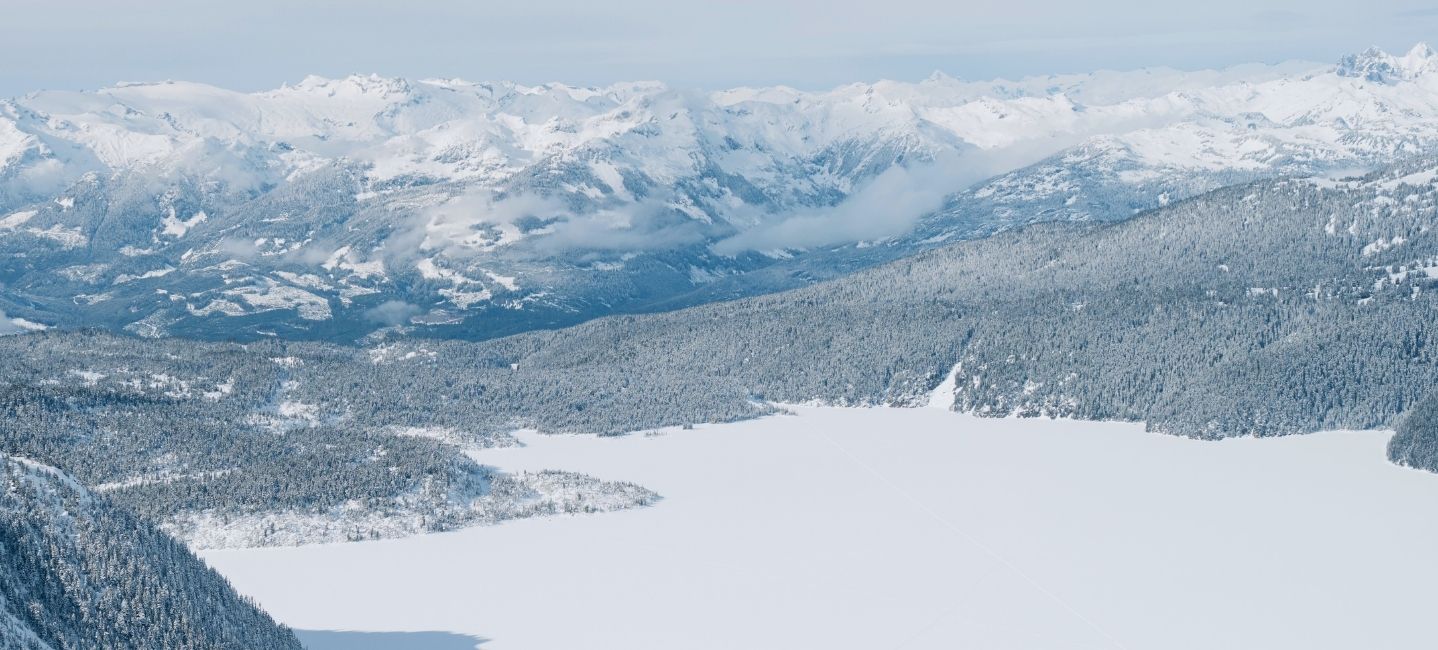
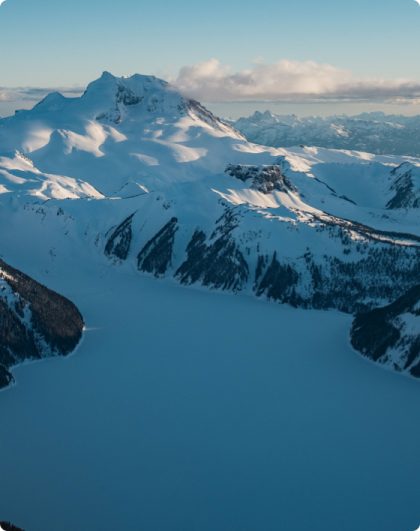
Spring also changes how individual features of the landscape appear, especially when viewed from above. Glaciers, for example, begin to show more variation in texture and colour as snow coverage shifts. Subtle differences in the surface of the ice become easier to recognize, adding depth to what might otherwise look uniform.
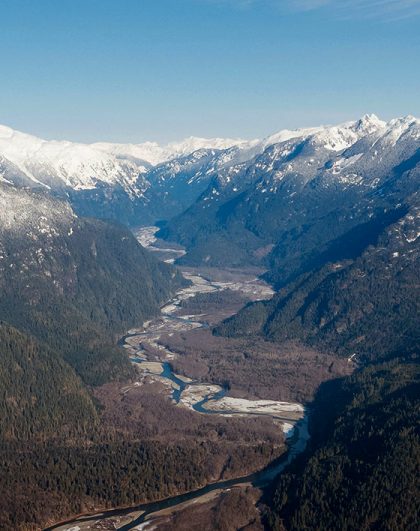
At the same time, rising temperatures begin to reintroduce movement across the region. Snowmelt feeds rivers and lakes, and waterways start to reappear and define the terrain again. Some remain partially frozen, while others begin to flow, creating contrast in both colour and motion.
During Sea-to-Sky spring flights, these elements combine to create a more dynamic view. Instead of a static landscape, you are seeing a region that is actively changing. The interaction between snow, ice, and water adds variety and movement, making each flight feel slightly different.

Spring sits between two peak seasons, which naturally changes the pace of the experience. While winter and summer bring higher volumes of visitors, spring often feels more open and less rushed.
In the air, this creates a more balanced flight experience. The pace feels steady, and the landscape appears uninterrupted. There is a sense of space that allows you to take everything in without distraction.
At the same time, what you are seeing is not static. Spring combines elements of both winter and summer, with snow still present in the alpine while lower elevations continue to shift. Instead of a single seasonal look, the region exists in transition.
Because of this, Sea-to-Sky spring flights offer something different from any other time of year. Each flight reveals a landscape that is actively changing, which makes the experience feel more dynamic and slightly different every time.
If you want to experience the region during a time of visible change, Sea-to-Sky spring flights are one of the best ways to do it. From snow-covered peaks to emerging rivers and forests, everything comes together in a single, uninterrupted view. The result is an experience that feels both expansive and detailed at the same time.
Check out our tours and plan your spring flightseeing experience today.